


Barndominium vs. Traditional Home Costs in Charlotte, NC: A Clear Comparison
Discover how a metal-framed barndominium can offer substantial savings over a custom-built stick-frame home in Charlotte, Lake Norman, and Mooresville, NC. This guide delves into the key cost drivers for barndominiums, examines the expenses associated with traditional custom homes, provides a direct cost comparison, explores financing avenues, clarifies local building codes and permits, highlights design possibilities, and explains why Johnson Building’s expertise ensures your dream home is both budget-friendly and built to last.
Smith, A., Journal of Construction Economics (2022)
[Barndominium vs. Traditional Home Costs]
Research highlights that utilizing pre-engineered steel frames in construction can yield significant cost reductions compared to conventional wood-framed methods. This efficiency stems from minimized material waste and accelerated assembly, leading to lower overall project expenditures.
Key Cost Factors for Barndominiums in Charlotte, NC
Barndominiums artfully blend a pre-engineered steel frame with spacious, open-concept living areas, creating an efficient structure that capitalizes on readily available materials and streamlined labor processes.
Defining a Barndominium and Its Construction Method
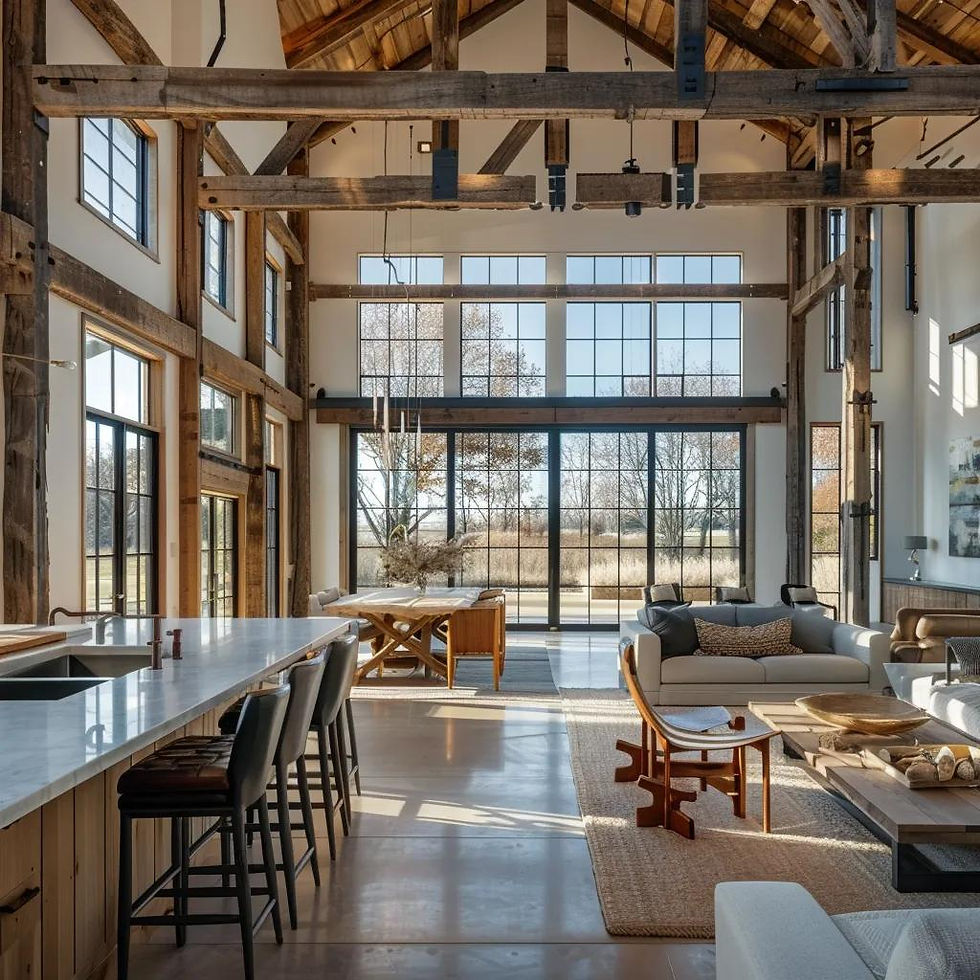
A barndominium is essentially a metal barn structure thoughtfully converted into a dwelling. This transformation involves integrating steel-post framing, high-performance insulation panels, and interior drywall finishes. This post-frame system not only speeds up the construction timeline but also locks in material costs, ultimately reducing the overall investment. Understanding that steel framing inherently minimizes issues like shrinkage and decay is crucial when evaluating the price per square foot.
Average Price Per Square Foot for Barndominiums in Charlotte
The typical cost to construct a barndominium in Charlotte ranges from approximately $70 to $117 per square foot, with variations dependent on the level of finishes and site-specific complexities. (homeblue.com)
Finish Level | Price Per Square Foot | Typical Application |
Basic Shell | $70 – $100 | Unfinished workshop or garage space |
Mid-Range Residential | $100 – $160 | Standard, comfortable living finishes |
Upscale Custom | $160 – $240 | Premium interiors and advanced features |
Mid-range builds offer an excellent balance of enduring quality and comfortable living, setting the stage for exploring the factors that influence these price points.
Materials and Labor Costs Influencing Barndominium Prices
Several key material and labor elements significantly impact the final investment:
Steel Frame and Panels – Factory-precision cut posts and girders minimize waste and accelerate assembly.
Insulation System – The choice between spray foam or rigid board insulation directly affects the R-value and the required HVAC system size.
Foundation and Site Prep – The complexity of excavation, grading, and the concrete slab installation will vary based on the specific lot.
Finish Labor – Skilled trades for drywall, electrical, plumbing, and interior trim are billed at prevailing professional rates.
These combined inputs create a predictable cost model, empowering buyers to make the most impactful decisions.
Benefits of Barndominiums Contributing to Cost-Effectiveness
Barndominiums present four primary advantages that enhance their value proposition:
Affordability – Reduced material and labor overhead translates directly into lower per-square-foot rates.
Durability – Steel framing is inherently resistant to rot, pests, and fire, significantly lowering long-term maintenance costs.
Energy Efficiency – Continuous insulation and minimized thermal bridging contribute to superior HVAC performance and lower utility bills.
Design Flexibility – Open-span interiors readily accommodate flexible layouts, lofts, and future expansion possibilities.
These compelling benefits underscore why many homeowners opt for metal barn homes when seeking value-driven custom builds.
Breaking Down Custom Home Costs in Charlotte, NC
Traditional stick-built homes typically involve wood framing, a multitude of subcontractors, and a wide array of finish selections, all of which contribute to their overall pricing structure.
Defining a Traditional Custom Home and Its Building Process
The construction of a traditional custom home begins with a thorough site survey and excavation, followed by the meticulous process of stick-built wood framing, roofing installation, rough-ins for electrical and plumbing systems, and a sequential series of interior finishes. While this linear progression offers considerable design versatility, it can also expose homeowners to fluctuations in material prices and extended scheduling. Understanding this process is key to effectively comparing framing methods.
Average Price Per Square Foot for Traditional Homes in Charlotte
Custom homes in Charlotte generally range from $120 to over $450 per square foot, with costs heavily influenced by design complexity and the chosen level of finishes. (homeblue.com)
Home Grade | Price Per Square Foot | Features |
Value Range | $120 – $170 | Essential finishes, standard layouts |
Mid-Range | $170 – $300 | Upgraded cabinetry, moderate luxury elements |
Luxury Builds | $300 – $450+ | Premium appliances, bespoke millwork |
Mid-range custom homes strike a balance between appealing aesthetics and long-term property value, setting the stage for a discussion on the factors that influence these costs.
Impact of Architectural Styles and Luxury Features on Costs
Architectural choices and the inclusion of premium features can significantly affect project budgets:
Style Complexity – Designs like Craftsman or Colonial elevations necessitate intricate carpentry and detailed trim work.
Custom Millwork – Features such as built-in cabinetry, coffered ceilings, and specialized moldings require substantial skilled labor hours.
High-End Finishes – Materials like stone countertops, premium hardwood flooring, and designer fixtures can substantially increase material budgets.
Outdoor Living Spaces – Elements such as covered porches, outdoor kitchens, and specialized landscaping can add to overall site development costs.
Carefully selecting the right combination of features allows for a harmonious balance between personal preferences and investment objectives.
Typical Land and Permit Costs for Traditional Homes
The expenses associated with land acquisition and regulatory approvals are direct contributions to the overall project expenditure:
Lot Purchase – Property prices in areas like Lake Norman and Mooresville can range from $50,000 to $200,000, with waterfront locations often commanding higher prices.
Site Development – Costs for grading, connecting to septic or sewer systems, and installing driveways will vary based on the terrain.
Permitting Fees – The Charlotte Development Services department bases permit costs on the project's valuation, typically amounting to 1–2% of the total build cost.
Impact and Inspection Fees – Local municipalities often require impact assessments and conduct multiple site inspections throughout the construction process.
A thorough understanding of these ancillary costs highlights the critical importance of expert permit support for project certainty.
Direct Cost Comparisons: Barndominiums vs. Traditional Homes
A clear, comparative cost analysis empowers buyers to determine which building type best aligns with their budget and lifestyle aspirations.
Side-by-Side Cost Comparison: Barndominium vs. Traditional Home
Here’s a comparative cost breakdown for a 2,500 sq ft build in Charlotte:
Metric | Barndominium | Traditional Custom Home |
Cost per Square Foot | $100 – $160 | $170 – $300 |
Typical Down Payment | 10–15% | 5–10% |
Construction Time | 4–6 months | 9–12 months |
Primary Materials | Steel frame, panels | Wood frame, siding |
Design Flexibility | Open concept focus | Multiple rooms/layouts possible |
These figures indicate potential savings of 20–40% per square foot for barndominiums, naturally leading to an exploration of financing differences.
Differences in Material Types and Design Flexibility
Barndominiums utilizing steel frames and traditional wood-framed homes differ significantly in their composition and customization potential:
Steel frames are engineered to support expansive clear spans without the need for interior load-bearing walls.
Post-frame construction methods generally require fewer specialized carpenters compared to traditional stick-built processes.
Conventional framing techniques allow for more complex rooflines and a wider variety of room configurations.
Traditional homes often incorporate attached garages and multi-story living arrangements.
The choice of primary building material profoundly influences both the project budget and the ultimate living experience.
Divergent Financing Requirements for Each Home Type
The pathways to financing diverge based on the structural classification of the home:
Barndominium Loans – Lenders often categorize barndominiums as commercial or specialty projects, frequently necessitating down payments ranging from 25% to 40%.
Construction-to-Permanent Loans – These integrated loans simplify the transition from the construction phase to a permanent mortgage, though they may sometimes carry slightly higher interest rates.
Conventional Mortgages – Traditional homes are typically eligible for standard financing with down payments of 5–10%, offering a broader selection of lending institutions.
Government-Backed Loans – Programs such as FHA, VA, and USDA loans may not be applicable to metal building projects or may impose additional appraisal requirements.
Jones, B., Mortgage Lending Practices (2023)
[Financing Options for Non-Traditional Homes]
Research indicates that securing financing for non-traditional homes, like barndominiums, often presents different requirements compared to conventional mortgages. Lenders may classify these projects as commercial or specialty builds, potentially leading to higher down payment expectations and different interest rate structures than those for standard residential properties.
Understanding the specific loan criteria early in the process is crucial to avoid unexpected financing challenges during construction.
Financing Your Barndominium or Traditional Home in Charlotte, NC
Securing the appropriate loan structure is a fundamental step toward a seamless build and favorable financial terms.
Financing Options Available for Barndominiums in North Carolina
Builders and lenders provide specialized funding solutions tailored for these unique projects:
Construction-to-Permanent Loans efficiently combine interim construction financing with the final mortgage.
Commercial Construction Loans classify barndominiums under non-residential collateral guidelines.
One-Time Close FHA/VA Loans can be utilized for owner-occupied metal homes, provided they meet specific appraisal standards.
Home Equity Lines drawn against existing properties can serve as funding for additions or complete barn-home constructions.
Each financing option comes with its own set of conditions regarding appraisals, down payments, and fund disbursement schedules.
How Barndominium Loan Requirements Differ from Traditional Mortgages
Key distinctions in borrowing criteria typically include:
Down Payment Requirements – Barndominium projects often necessitate a larger initial equity contribution from the borrower.
Appraisal Standards – Lenders may require formal certification of the steel frame's quality and demand engineer-stamped construction plans.
Interest Rates – Specialty construction loans might carry interest rates that are 0.25–0.75% higher than those for conventional mortgages.
Amortization Terms – Certain lenders may impose limitations on the repayment periods for non-standard dwelling types.
Thorough preparation of documentation, including manufacturer warranties and detailed build specifications, can significantly streamline the loan approval process.
Finding Local Lenders and Financial Guidance
Financial institutions in the Charlotte and Lake Norman areas that are well-versed in custom builds include:
Regional banks that offer in-house construction loan underwriting services
Credit unions providing competitive loan products tailored for their members
Mortgage brokers specializing in one-time close and unique loan arrangements
Johnson Building Inc.’s advisory services, which connect clients with trusted and experienced lenders
These established local partnerships ensure that your financing strategy aligns perfectly with your project timeline and budget.
Building Codes and Permit Requirements for Custom Homes in Charlotte
Proactively navigating local regulations is essential to prevent costly delays and the need for redesigns.
Charlotte, Lake Norman, and Mooresville Building Codes for Barndominiums
Metal barn residences must adhere to the following standards:
IRC and IBC Standards – Post-frame structural systems necessitate professionally engineered drawings and wind load certifications.
Energy Code Compliance – Continuous insulation and air-barrier details must meet North Carolina’s specified R-value requirements.
Fire Safety – Steel panels and interior finishing materials must satisfy established flame-spread and smoke development criteria.
Compliance with these codes ensures that your barndominium is constructed safely and according to all regulations.
How Permit Processes Differ Between Barndominiums and Traditional Homes
While both types of projects require plan reviews and inspections, the specific steps can vary:
Plan Submission – Barndominium applications must include manufacturer specifications and detailed steel-frame calculations.
Review Timeline – Permits for commercial-style structures may undergo a longer review process compared to those for residential stick-built homes.
Inspection Phases – Inspections for structural steel anchorage and panel installation differ from those conducted for wood framing.
Anticipating these procedural variations can help streamline the overall project schedule.
How Johnson Building Assists with Permits and Compliance
Leveraging extensive local market knowledge, Johnson Building provides invaluable assistance by:
Preparing fully engineered drawings suitable for permit submission
Managing the application process and tracking review progress
Coordinating inspections to align seamlessly with construction milestones
Their expertise in permit navigation minimizes potential delays, ensuring your project stays on schedule and within budget.
Design and Customization Options for Barndominiums and Traditional Homes
Both building types offer a wealth of opportunities for tailored layouts and finish selections to perfectly match your lifestyle and aesthetic preferences.
How Open Concept Floor Plans Enhance Barndominium Living
Open interior layouts are designed to maximize living space and natural light:
Central clear-span bays create uninterrupted zones for living, dining, and kitchen areas.
Lofted sleeping areas provide versatile spaces for guest accommodations or home offices.
Exposed steel beams can serve as striking architectural features, whether left visible or clad in wood.
This inherent adaptability encourages creative residential solutions within a single, expansive volume.
Popular Architectural Styles for Traditional Custom Homes in Charlotte
Homeowners frequently draw inspiration from regional or historical architectural influences:
Colonial Revival – Characterized by symmetrical facades, gabled roofs, and classic column details.
Craftsman – Features include low-pitched roofs, tapered porch columns, and intricate trim work.
Modern Farmhouse – Often incorporates board-and-batten siding, metal roofing, and contrasting trim elements.
Selecting a preferred architectural style early in the process informs crucial framing details and finish selections that can impact overall cost.
Why Choose Johnson Building Inc. for Your Custom Home or Barndominium Project in Charlotte
Selecting the right builder is paramount for ensuring exceptional craftsmanship, leveraging local expertise, and maintaining clear, consistent communication throughout the project.
With extensive combined experience, Johnson Building Inc. excels in:
Expertly executing both steel-frame and stick-built projects with equal proficiency
Implementing rigorous quality control measures at every stage, from foundation to final finishes
Utilizing established local vendor networks to secure competitive pricing on materials
This dual-discipline mastery translates into efficient construction processes and enduring value for your home.
How to Schedule a Personalized Consultation with Johnson Building Inc.
Initiating the process is straightforward:
Complete the contact form available on JohnsonBuildingInc.com
Engage in a discussion covering site specifics, budget objectives, and design preferences
Receive a clear, customized proposal outlining the project scope and timeline
This initial consultation establishes a foundation for a partnership built on transparency, trust, and a shared vision for your new home.
Embarking on the journey to build your ideal barndominium or custom home in Charlotte, Lake Norman, or Mooresville doesn't have to be a complex undertaking. By carefully comparing costs, understanding financing options, navigating permit requirements, and partnering with Johnson Building Inc., you gain the clarity, confidence, and control needed for every aspect of your new residence.



Comments